
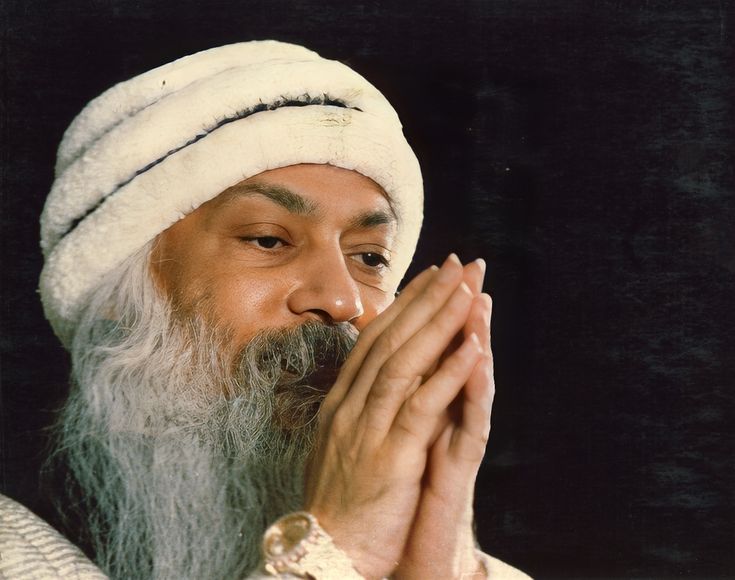
Awakening Through Movement: Osho’s Kundalini Meditation
In the daily hustle of modern life, tensions accumulate—emotional blockages, stress, and a dull heaviness in the body. Osho’s Kundalini Meditation is a beautifully designed evening practice to truly let go, unwind, and awaken a deeper flow of energy within. Often described as an “energy bath,” this meditation invites you to release stuckness through movement, dance, stillness,…
In the daily hustle of modern life, tensions accumulate—emotional blockages, stress, and a dull heaviness in the body. Osho’s Kundalini Meditation is a beautifully designed evening practice to truly let go, unwind, and awaken a deeper flow of energy within. Often described as an “energy bath,” this meditation invites you to release stuckness through movement, dance, stillness, and then rest all in a guided one-hour ritual.
What Is Kundalini Meditation According to Osho?
Kundalini meditation is considered the “sister” to Osho’s Dynamic Meditation. It’s most effective in the late afternoon or early evening — symbolically speaking, just as the day winds down, this meditation helps you shake off what’s been building up. The goal is to mobilize energy, dissolve inner blockages, and then guide that released energy inward and upward — moving from a more chaotic, active mode into deep, silent stillness.
Osho emphasized that the first stage, especially, is not about forcing movement:
“Allow the shaking – don’t do it! … Enjoy it, feel blissful … receive it, welcome it, but don’t will it … If you force it … it will not penetrate you.”
This is a crucial point: the practice isn’t about controlling your body, but more about surrendering to what arises, being a witness to the energy that moves through you.
The Four Stages of Osho’s Kundalini Meditation
Here’s how the meditation is structured: a full 60-minute practice divided into four 15-minute stages.
- Shaking (15 minutes)
- Stand or sit loosely, and simply let your body shake.
- Feel the energy rise from your feet, let it ripple through the body.
- This isn’t a performance — keep your knees soft, your feet grounded, and don’t force anything.
- Your eyes can be open or closed.
- Very important: don’t make the shaking happen — let it come. Osho says, “Help it, but don’t do it.”
- Dancing (15 minutes)
- Transition into free, expressive dance. There’s no choreography — move however your body feels called to.
- Let the rhythm of the music guide you; let your limbs, your torso, your whole being move in any way it wants.
- Again, eyes may be open or closed — the point is inner liberation, not outward show.
- Witnessing / Stillness (15 minutes)
- After active shaking and dancing, now comes a pause: sit or stand, but don’t move.
- Close your eyes and just observe what’s happening — sensations, thoughts, emotions. Be a watcher.
- This is the space where the energy you’ve stirred begins to settle inward.
- Relaxation / Lying Down (15 minutes)
- Lie down with your eyes closed. Let your body be completely still.
- This is a restful surrender — no movement, just presence.
- For some, it might feel more comfortable to stay seated — that’s fine too.
- Over the course of the meditation, a small flame of awareness remains within even as the body relaxes deeply.
- The end of the meditation is often marked by gentle guidance to bring you out of the silent phase.
Why This Meditation Works: The “Why” Behind the “How”
- Releasing Tension: The shaking phase is particularly powerful for releasing physical and emotional blockages. Many of us carry stress in our bodies — in joints, in muscles — and by actively shaking, you give that energy a way to move out.
- Energizing Joy: Dancing is not just a physical move; it’s a way to let energy that was stuck turn into pure movement. This stage often brings joy, freedom, and a lightness that is very different from the structured, rigid stiffness many have by evening.
- Witnessing: Once your energy is stirred, the third stage invites you to observe. This “witness” attitude is core to many of Osho’s meditations — simply noticing without interfering.
- Deep Integration: Lying down is not just rest — it’s where the transformation is integrated. The shaking and dancing have stirred something; now, in stillness, that energy settles, refines, and rises inward.
- Energetic Shift: The first two stages melt the “rock-like being” — that solid, rigid part of ourselves — making us more fluid. Then the energy is guided upward, creating a subtle shift towards deeper silence.
Osho’s Key Guidance: Let It Happen, Don’t Force It
One of Osho’s most repeated instructions for this meditation is to not force the process. He warns that if you artificially try to shake harder, or control your dance, or make the energy happen, then you’ll remain “solid” inside — the shaking will just be superficial.
“Whenever you will a thing, you cannot enjoy it … If you enjoy it, you cannot will it.”
This paradox is central: surrender leads to transformation, but trying too hard blocks it. The practice is not about becoming an expert shaker or dancer — it’s about being available to what arises in you.
When & How to Practice
- Timing: Ideally done in the late afternoon or early evening, when the day’s stress is ready to be released.
- Clothing: Wear loose, comfortable clothes. You should feel free to move, to let your body vibrate without restriction.
- Eyes: For the first two stages (shaking & dancing), you may keep your eyes open or closed. For the last two (stillness & lying down), eyes must be closed.
- Individual Experience: Even if done in a group, the experience is deeply personal. Osho encourages you to remain inwardly “oblivious” of others — meaning, don’t worry about how you look or how others are doing.
- Music: The meditation uses music that supports each stage, helping you move naturally and letting the energy flow.
Benefits & Transformative Power
- Stress Release: By physically shaking and dancing, you dislodge the tension you carry from daily life.
- Emotional Liberation: Blocked emotions often get expressed through free movement — hurt, anger, joy, or sadness can be released.
- Energy Flow: The meditation helps awaken the so-called Kundalini energy and lets it move freely.
- Deep Silence: The final stages convert the active energy into a calm, vertical flow of stillness. This creates a profound sense of inner peace.
- Grounding + Expansion: As you shake off the rigidity (“rock”), you become more fluid and available to life — both grounded and expansive.
A Few Words of Caution
- Let Your Body Lead: Don’t try to control every tremor. If shaking feels intense or unfamiliar, simply observe and let it be.
- No Forcing: If you force the process, you can turn the meditation into a physical exercise rather than a transformation.
- Comfort: Use a space where you feel safe and comfortable to move freely.
- Consistency Over Intensity: It’s better to do the meditation regularly rather than pushing too hard the first time.
- Be Patient: The effects build up over time. For many, the first few sessions are just about releasing. Deeper energetic shifts come with regular practice.
Final Thoughts
Osho’s Kundalini Meditation is a holistic, deeply transformative practice — not just a way to relax, but a powerful method to tune into your life force, let go of accumulated stress, and gently awaken a deeper, more fluid energy within. The structure is deceptively simple, but each stage builds into the next, guiding you from physical release into a quiet, luminous space of presence.
If you’re feeling weighed down by the day, or noticing emotional or energetic stagnation, this meditation offers a graceful path to renewal — one that doesn’t ask you to do more, but to be more open.